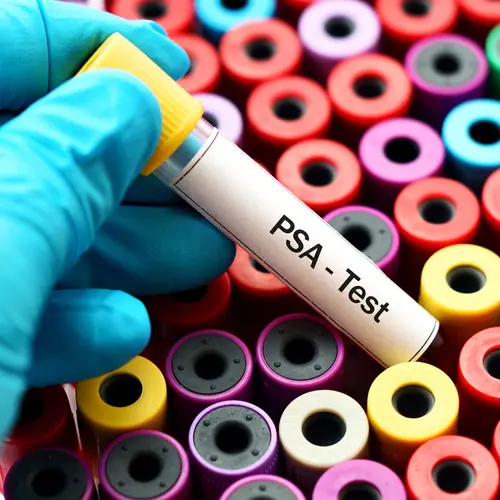
A prostate biopsy is when a doctor removes small samples of tissue from your prostate to test for cancer. Your doctor will order one if the results from a screening (a blood test or a digital rectal exam) show you might have prostate cancer.
This type of cancer is very common. An estimated 174,000 men will be diagnosed with it this year, and about 31,000 will die from it. Still, for most men, it often causes no problems or is easily treated. A diagnosis of prostate cancer cannot be made without a biopsy.
What Does My Prostate Do?
The prostate is beneath the bladder and in front of the rectum. It’s a walnut-shaped gland that surrounds part of the urethra. (That’s the tube that carries pee and semen out of the penis). Here’s what it does:
- It produces fluid for semen, which includes sperm produced in the testicles.
- It prevents urine from being included during ejaculation.
If it gets too big, your prostate can block pee from passing through the urethra and out the penis.
When Do I Need a Biopsy?
Your doctor may order a biopsy if your prostate-specific antigen (PSA) level in your blood work is elevated or there is an abnormal lump found during a digital rectal exam. During a digital rectal exam, your doctor inserts a finger up your bottom to feel if your prostate is enlarged or has bumps. Another option before a biopsy is an ultrasound. Instead of a finger, a small probe is inserted to take pictures of the prostate.
An MRI-guided prostate biopsy may be used in patients who have a rising PSA level, yet a negative ultrasound-guided biopsy. It also may be used in situations where a diagnostic prostate MRI performed because of rising PSA demonstrates a very small abnormality that may not be easily targeted by ultrasound. An MRI image to guide a biopsy can improve the ability to detect prostate tumors which may require treatment.
The Biopsy Procedure
Once your doctor decides to do a prostate biopsy, it's a simple, 10-minute procedure. They insert a needle through the wall of your rectum and into the prostate to extract the cells for testing. This is a “transrectal biopsy.” Doctors usually take a dozen samples from various parts of the prostate. In some cases, they do the biopsy by inserting a needle through the skin between the scrotum and the anus. Your doctor will call this a “transperineal biopsy.”
The idea of such a procedure can make men nervous and it sounds painful. But the biopsy usually causes just brief discomfort. You may notice some blood in your pee and there could be some light bleeding from your bottom. There can also be blood in your semen. This can last for several weeks.
The sample will be sent to a lab, where they’ll be looked at under a microscope. It takes 3 days or so to get results back. If there’s cancer, you’ll be given something called a Gleason score. The higher your score, the more likely it is that your cancer will grow and spread quickly, and the more aggressively it should be treated.
Since biopsies can miss the cancerous parts of the prostate, sometimes a repeat is ordered to be sure.
Treatment Options
If you and your doctor decide treatment is necessary, surgery to remove the prostate and nearby tissue is common if the cancer hasn’t spread.
Other treatment options include:
- Radiation
- Cryotherapy (using very cold temperatures to freeze cancer cells)
- Hormone therapy
- Chemotherapy
Some men with the disease might only need “active surveillance,” also called "watchful waiting." This means regular blood tests, rectal exams and possibly biopsies to keep an eye on things. If the cancer gets worse, you might discuss treatment options with your doctor.